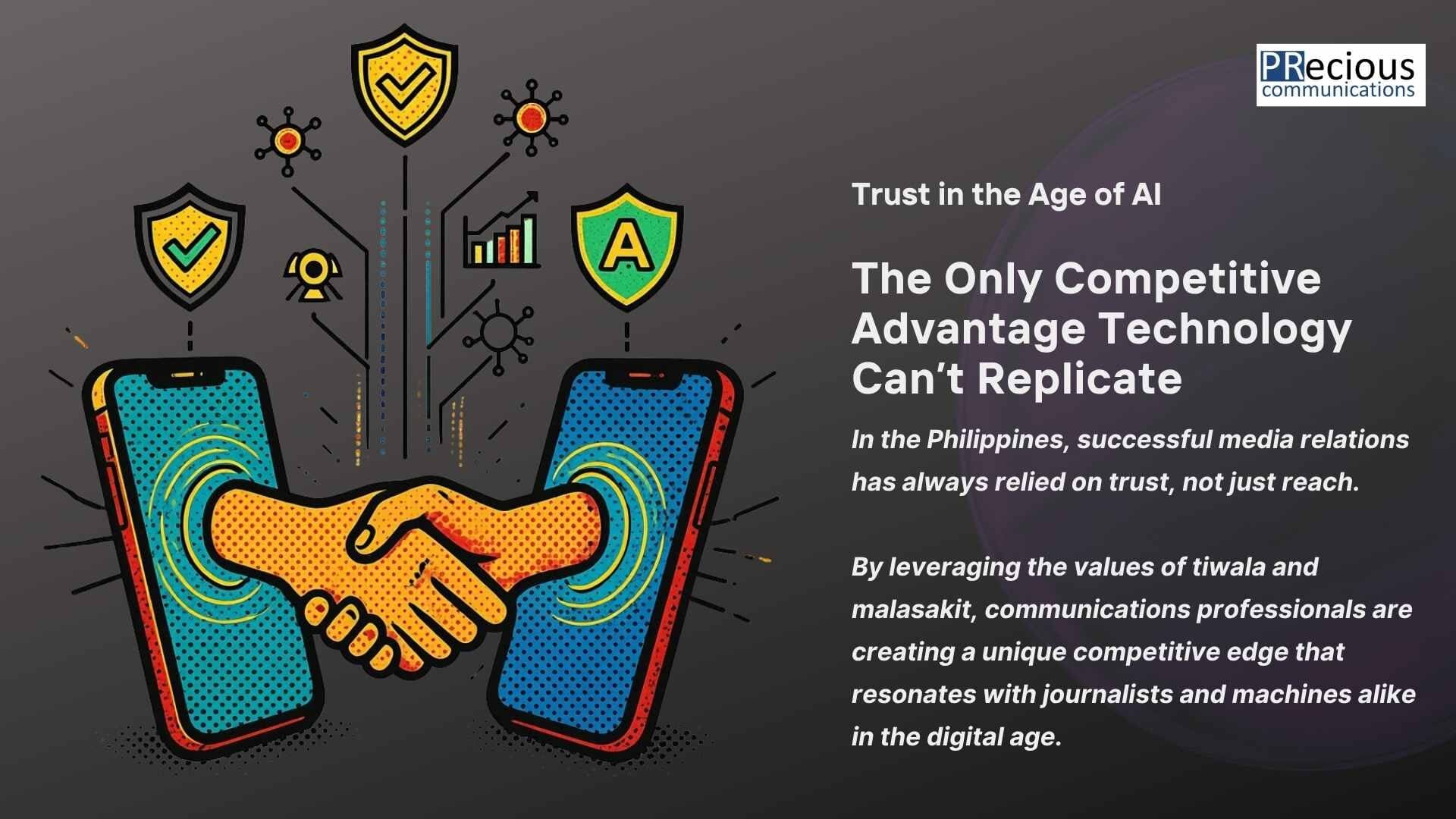
The era of unchecked digital expansion in Southeast Asia, including Indonesia is over. The Indonesian Ministry of Communications and Digital Affairs (Komdigi) has shifted to a stringent regulatory philosophy. This mandate is anchored by the new “T3” framework: Terhubung (Connected), Tumbuh (Growth), and Terjaga (Guarded). Global tech brands must evolve beyond innovation claims to prove verifiable commitments to cyber hygiene, child online safety, and ethical AI governance.

Key Takeaways (TL;DR)
- T3 Framework Shift: Indonesia has moved from unchecked digital expansion to a mandatory accountability model centered on Terhubung (connectivity), Tumbuh (growth), and Terjaga (security).
- Regulatory Compliance: Brands must prioritize strict alignment with new legislation covering AI governance, data protection (PDP Law), cybersecurity (RUU KKS), and child safety (PP Tunas).
- “Govern First” Strategy: Pivot away from vague innovation marketing and instead build verifiable technical authority that regulators can trust.
- AI Discoverability: Implement Generative Engine Optimization (GEO) to ensure your brand is cited as the definitive, compliant solution within AI-driven search results.
- Cultural Localization: Avoid direct translation; use culturally specific, localized communication to avoid the compliance failures often caused by English-centric moderation.
- Strategic CSR: Align corporate narratives with national initiatives—such as Indonesia’s 3 million digital talent gap—to solidify your brand as a trusted economic partner.
The Structural Shift in Southeast Asia
The corporate communications playbook for enterprise technology in Southeast Asia previously relied on sweeping claims of disruption. At Bravo 500 Summit 2026, Meutya Hafid did stress the urgency of specific AI regulation, given Indonesia’s large internet user base and the need for accountable AI innovation.
Decoding the “T3” Framework
Indonesia’s strategy has transitioned from deploying physical infrastructure to the comprehensive T3 Framework. For technology providers, this is the definitive baseline for corporate narrative architecture.
- Terjaga (Guarded/Protected): Komdigi mandates that connectivity is meaningless without information integrity. Narratives must index heavily on secure data management and critical infrastructure resilience.
- Terhubung (Connected): Brands must prove infrastructure resilience and protected connectivity across both urban and rural environments.
- Tumbuh (Growth): B2B narratives must pivot to prove quantifiable economic outcomes. Technology providers must demonstrate how they empower MSMEs and accelerate local digital talent development.
The Regulatory Reality and Enforcement Friction
Indonesia is aggressively drafting legislation to secure digital sovereignty. However, navigating this landscape requires acknowledging the operational friction between competing regulatory bodies.
1. The Dual Perpres (Presidential Regulation in Indonesia) on AI
Indonesia is drafting dual Presidential Decrees covering an AI Roadmap and AI Ethics. The primary friction lies in their execution. While the Roadmap mandates rapid AI integration into national infrastructure, the accompanying Ethics regulation introduces significant implementation complexity.
This challenge extends well beyond administrative delays, creating hurdles specifically for agencies that must now figure out how to translate abstract principles of AI ethics, accountability, and acceptable “human oversight” into concrete procurement protocols and real-time deployment standards.
2. Child Online Safety (PP Tunas)
Government Regulation No. 17 of 2025 creates a strict framework for user safety under 16. Platforms must prepare for stronger age assurance, child safety governance, risk mitigation, and privacy safeguards.
3. The Cybersecurity Mandate (RUU KKS)
The Draft Cybersecurity and Cyber Resilience Bill empowers the National Cyber and Crypto Agency (BSSN). Technology companies should anticipate possible overlap between sectoral regulators, Komdigi, and BSSN, particularly on incident reporting, security standards, and audit expectations.
The Localized Trust Mandate
Attempting to force a Silicon Valley messaging template onto the Indonesian market will fail. Success requires meticulous localization into Indonesia’s priority sectors.
- Health Infrastructure Friction: Supporting national interoperability platforms like SatuSehat goes beyond high-level data protection. For health, the trust issue is not only data protection. Brands must show how their technology supports interoperability, secure integration, service reliability, and operational readiness across diverse healthcare settings.
- Finance & Economy: Alignment with the Financial Services Authority (OJK) requires strict adherence to guidelines on AI reliability, algorithmic bias, and secure lending.
Operationalizing Governance
Optimizing for high-volume press clippings is an obsolete strategy. Brands must build resilient, technical authority that regulators implicitly trust.
- Machine-Readable Compliance Architecture: As buyers, journalists, analysts, and policy stakeholders increasingly use AI-assisted search, brands need technical content that is structured, consistent, and easy for search and generative platforms to interpret. Technical whitepapers and compliance audits must be formatted in machine-readable structures, such as JSON-LD schemas. This data hygiene ensures LLMs cite your firm as the definitive compliant solution.
- Transparent Incident Disclosure: In the event of a breach, traditional defensive holding statements destroy stakeholder trust. The operational standard must be transparency. Organizations must move faster toward responsible disclosure, verified facts, regulator coordination, and clear stakeholder updates.
Navigating Indonesian Policy
- Fintech Adaptation: OJK’s April 2025 AI governance guidance for banks sets clearer expectations for responsible AI development and implementation. Financial institutions should be careful with “autonomous AI” claims and put more weight on explainability, accountability, risk management, and human oversight.
- CSR Strategy: Address the 3 million digital talent shortage. Align with Komdigi’s Digital Talent Scholarship program to position the brand as an economic partner.
- Hardware and IoT (RUU KKS): Hardware and IoT manufacturers should prepare for stricter cyber resilience expectations as Indonesia advances the Cybersecurity and Cyber Resilience Bill. Even before the law is finalized, brands can build trust by showing clear vulnerability disclosure processes, product security update commitments, and coordination protocols with local authorities.
- Data Protection (PDP Law): The PDP Law requires transparent processing and mandatory data portability. Ensure external lead generation and marketing strategies are exactly as compliant as the software being sold.
How PRecious Communications Operationalizes Trust
The era of AI hype is fading; the era of AI accountability has arrived. If a corporate communications strategy is solely focused on securing high-volume press clippings and broad awareness, it is optimizing for an obsolete ecosystem.
At PRecious Communications, we believe in a “Govern First” approach, ensuring that brands build citable, resilient authority that regulators and enterprise clients can trust.
- Generative Engine Optimization (GEO): In today’s Intelligence Economy, B2B buyers, journalists, and government regulators are shifting their research behaviors from traditional search engines to AI agents and Large Language Models (LLMs) like Perplexity, ChatGPT, and Gemini. If your commitment to Indonesia’s T3 framework, cyber hygiene, and responsible AI is not structured correctly, AI agents will simply not cite you.
Through Search Experience Optimization (SXO), PRecious Communications creates proof points for LLMs to cite your firm as the definitive, compliant solution. - Leading with “Radical Humility” in Crisis Management: In the event of a cybersecurity incident or AI-driven data breach, traditional crisis PR relies on minimizing fault and deploying defensive holding statements. In highly relational markets like Indonesia, this tactic destroys stakeholder trust.
We advocate for “Radical Humility”, move quickly with verified facts, acknowledge what is known and unknown, coordinate with the right local authorities, protect affected stakeholders, and update the market as the investigation progresses. By retaining local “Cultural Insiders,” brands can drastically reduce avoidable delays, misinterpretation, and stakeholder friction associated with protracted regulatory audits and misaligned messaging.
Conclusion: Securing Your Seat at the Table
Indonesia’s transition to the T3 Digital Policy Framework represents a sophisticated evolution in digital governance. As the government enforces stringent regulations across AI, cybersecurity, and child online safety, technology brands must evolve their corporate narratives to match.
A successful PR and communications strategy in Indonesia can no longer rely on global tech buzzwords. It requires a nuanced, “glocal” approach that champions cyber hygiene, secure data management, and critical infrastructure resilience. By embracing strategic advisory, adopting Generative Engine Optimization (GEO), and leading with Radical Humility, PRecious Communications helps brands earn stronger permission to lead in Indonesia’s digital economy.
The era of unchecked digital expansion in Indonesia is over. As the government enforces the stringent T3 Framework, new AI ethics mandates, and the PDP Law, your corporate narrative must pivot from tech hype to demonstrable accountability.
Is your brand prepared to navigate this complex regulatory landscape? Don’t let your thought leadership get lost in AI search results or face local regulatory friction. Partner with PRecious Communications to future-proof your reputation. Through our “Govern First” approach, Generative Engine Optimization (GEO), and hyper-localized strategic advisory, we ensure your brand commands digital trust.
Contact PRecious Communications today to secure your digital leadership in ASEAN’s largest economy.
Frequently Asked Questions for Communications Professionals: Navigating Indonesia’s AI & Digital Policy
The rise of generative AI platforms like ChatGPT and Google AI Overview has ushered in the era of “zero-click searches,” which has reduced organic website traffic for some publishers by over 50%. For B2B communications professionals, traditional metrics like website clicks and basic search engine rankings are no longer sufficient. Your brand must optimize for Large Language Models (LLMs) through Generative Engine Optimization (GEO).
At PRecious Communications, we advise clients to move beyond standard press releases by utilizing machine-readable structures—like JSON-LD schemas and semantic tagging—so that when an enterprise buyer queries an AI agent, your brand is cited as the authoritative, compliant solution.
Fintech and banking communications can no longer rely on buzzwords like “disruptive” or “autonomous AI.” The Financial Services Authority (OJK) has implemented strict AI Governance guidance as of April 2025, which demands transparency, accountability, and continuous monitoring of AI models.
Crucially, the OJK requires “Human Oversight” for customer-impacting decisions. Communications teams must pivot their messaging to emphasize “human-in-the-loop” (HITL) safeguards and explainable algorithms. PRecious Communications helps brands translate these complex compliance mandates into compelling, trust-building thought leadership that resonates with both regulators and consumers.
The most strategic narrative for tech brands today revolves around closing the digital skills gap. Despite rapid infrastructure growth, Indonesia currently faces a shortage of approximately 3 million digital talents. To resonate with government stakeholders, your CSR and corporate communications should emphasize capacity building and digital upskilling.
Aligning your brand’s initiatives with national efforts, such as the Ministry of Communication and Digital Affairs’ Digital Talent Scholarship program (which aims to train over 100,000 professionals in AI and cybersecurity), positions your company as a vital partner in Indonesia’s economic future.
The RUU KKS draft introduces strict requirements for “Products with Digital Elements” (PDED), inspired heavily by the EU’s Cyber Resilience Act. Manufacturers of network-facing hardware and software will be mandated to provide regular security updates and implement coordinated vulnerability disclosure policies.
We advise hardware communications teams to proactively turn this regulatory burden into a competitive advantage. By integrating your commitment to lifetime security updates and transparent vulnerability reporting into your core PR messaging now, PRecious Communications can help you establish your brand as a secure, enterprise-ready leader before the legislation is fully enacted.
A direct translation strategy is highly risky. Indonesia is a complex market with over 700 regional languages, and local internet users frequently rely on language hybridization, code-switching, and regional dialects to communicate. Global platforms that rely on generalized, English-centric moderation algorithms and direct messaging translations frequently misinterpret local context, which has led to high compliance failure rates and friction with Indonesian regulators.
At PRecious Communications, our on-the-ground experts ensure that your global safety messaging is culturally contextualized, bridging the gap between international technical standards and local socio-political nuances.
The PDP Law, which entered full enforcement in October 2024, fundamentally changes how personal data must be handled, requiring transparent processing, privacy-by-default settings, and mandatory data portability in machine-readable formats. For communications and marketing professionals, this means your external lead generation and data acquisition strategies must be just as compliant as the software you sell.
Your brand narratives must emphasize absolute data transparency. We help B2B tech brands audit their communications workflows to ensure their public-facing marketing practices flawlessly reflect the high-security standards expected by Indonesian enterprise buyers.